
Family dispute resolution and mediation strategies
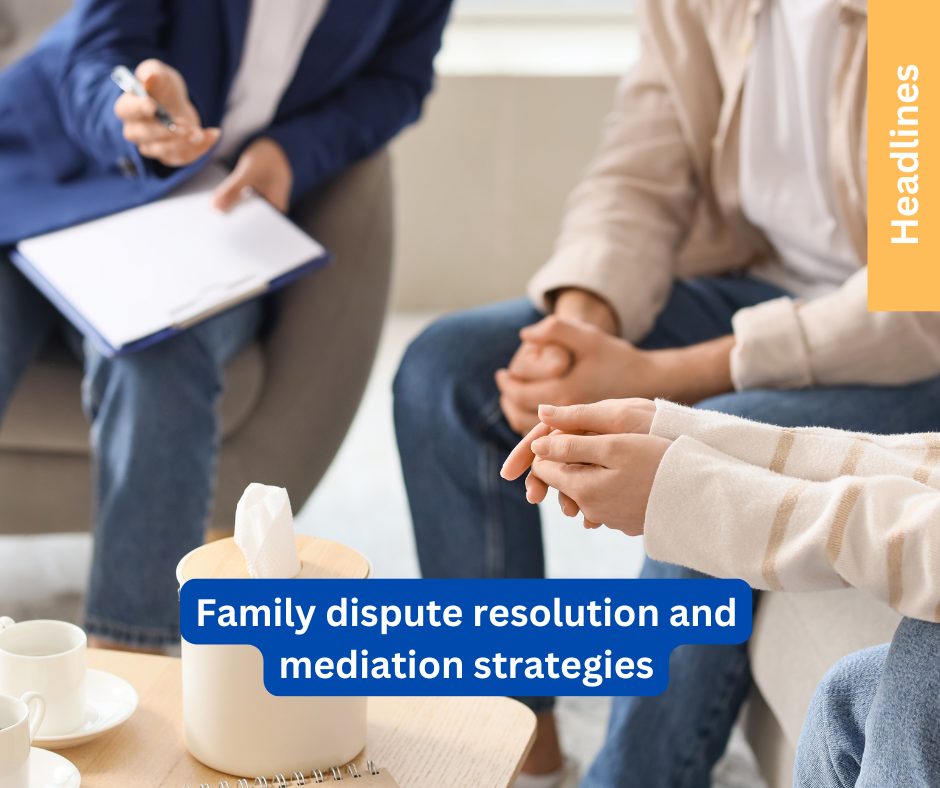
Family dispute resolution and mediation strategies
Family dispute resolution and mediation are no longer peripheral skills in family law practice. They sit at the centre of how matters are managed, resolved and, ideally, de-escalated before reaching trial. As practitioners, we are increasingly called upon to guide clients through negotiation, structured mediation and collaborative processes while maintaining clear ethical boundaries.
At TEN The Education Network, we recognise that modern family law CPD must reflect this practical reality. Ongoing professional development in this area is not limited to legislative updates. It involves strengthening negotiation strategy, refining communication techniques and understanding the ethical and procedural frameworks that govern dispute resolution. Meeting obligations to gain CPD points for law is essential, but meaningful learning ensures we are equipped to manage sensitive matters with confidence and care.
Common Ethical Challenges in Family Law – CPD Focus
Family law presents distinctive ethical pressures. We frequently advise clients experiencing emotional distress, financial uncertainty and complex interpersonal dynamics. Ethical decision-making in this context requires clarity, independence and careful documentation.
Key ethical challenges include managing conflicts of interest, particularly in small communities or firms with overlapping client relationships. We must also navigate issues of capacity, vulnerability and informed consent. Allegations of family violence introduce additional procedural and ethical considerations, particularly when assessing suitability for mediation or dispute resolution processes.
Through targeted CPD Programs, we explore how these ethical obligations apply in practice. Rather than treating ethics as a separate compliance requirement, we integrate it into real-world dispute resolution scenarios. For example, how should we respond if a client seeks to use mediation strategically to pressure the other party? How do we address situations where power imbalances may compromise voluntary agreement?
Ethics training is mandatory; however, in family law practice, ethical awareness must extend beyond minimum units. At TEN The Education Network, we ensure that our family law conference sessions and structured training address these complexities directly, helping practitioners balance advocacy with professional responsibility.
What topics are included in Family Law CPD training for lawyers?
High-quality family law CPD training reflects both procedural developments and practical advocacy skills. In the context of dispute resolution and mediation strategies, core topics typically include:
- Negotiation frameworks and settlement strategy
- Mediation advocacy and preparation
- Managing high-conflict personalities
- Child-focused dispute resolution
- Property settlement negotiation dynamics
- Recent case law affecting parenting and financial disputes
- Ethical considerations in consent orders and agreements
Effective family law webinars go beyond summarising statutory provisions. They explore how practitioners can prepare clients for mediation, structure settlement proposals and anticipate common breakdown points in negotiations.
Managing power imbalances is a particularly important focus. CPD sessions often examine how to identify indicators of coercion or control and adjust mediation strategies accordingly. Where children are involved, training addresses the importance of prioritising their best interests and ensuring that proposed arrangements are both practical and developmentally appropriate.
At TEN The Education Network, our CPD Programs are curated to connect these themes rather than present them in isolation. We recognise that negotiation strategy, ethical judgment, and procedural compliance operate together in real-world situations. By structuring training around integrated scenarios, we help lawyers build cohesive skill sets that translate directly into practice.
Where can I complete Family Law CPD units online in Australia?
Family law practitioners in Australia have multiple pathways to complete their CPD requirements. Online delivery has become an increasingly important format, particularly for regional practitioners or those balancing heavy caseloads.
Live and on-demand family law webinars allow practitioners to engage with current topics without geographic constraints. These sessions typically count towards the CPD Points for law requirements when delivered by accredited providers. Webinars are particularly effective for focused updates, such as recent appellate decisions or procedural rule changes.
For deeper engagement, many practitioners choose to attend a family law conference, either in person or via a hybrid format. Conferences provide concentrated exposure to multiple topics within a single program, often covering ethics, substantive law, and professional skills within a cohesive agenda. The opportunity to hear from experienced practitioners, members of the judiciary, and subject-matter experts supports a broader perspective and shared professional insight.
Structured CPD Programs also offer continuity across the reporting year. Instead of selecting isolated sessions, lawyers can participate in a series of coordinated learning modules that build progressively on key dispute resolution themes. This approach allows practitioners to plan their professional development strategically while ensuring they meet annual CPD Points Law obligations.
At TEN The Education Network, we provide a range of delivery formats to accommodate different learning preferences. Our online platforms are designed to ensure accessibility without compromising quality. Each session clearly identifies its allocated CPD category, enabling straightforward compliance reporting.
Strengthening practice through focused dispute resolution training
Family dispute resolution is not simply a procedural step before litigation. It is often the forum in which outcomes are shaped and client expectations are managed. An effective mediation strategy can reduce emotional strain, control costs, and achieve durable agreements.
By engaging in carefully structured family law cpd, we strengthen our ability to guide clients through these processes with clarity and confidence. CPD that addresses negotiation psychology, drafting precision and ethical awareness directly enhances the quality of advice we provide.
At TEN The Education Network, we approach family law education as a partnership with practitioners. We understand the pressures inherent in family practice and design our CPD Programs to respond to real-world challenges. Whether through interactive family law webinars or comprehensive conference programs, our goal is to support lawyers in meeting regulatory requirements while elevating their dispute-resolution capabilities.
Ongoing professional development in this area is not merely about compliance. It is about ensuring that we, as family law practitioners, are prepared to navigate complex family dynamics, protect vulnerable parties and facilitate constructive outcomes. Through targeted education and thoughtful program design, we support the continued development of confident, ethical and effective family law practice across Australia.