

Family Law Courtroom Strategies: Practical Tactics from Evidence to Enforcement – 5 program recorded webinar series
About the webinar series
When the stakes are high, family lawyers need more than knowledge of the law, they need courtroom strategies that work. This five-part series arms practitioners with practical, battle-tested tactics for the toughest property and parenting disputes. From overcoming non-compliance and drafting enforceable orders, to building persuasive evidence, challenging expert witnesses, and deploying interlocutory applications with precision, each session delivers tools you can put into practice immediately. Whether you’re facing delay tactics, entrenched hostility, or complex financial structures, this series shows you how to stay one step ahead in and out of court.
Training for as many staff as you want - no additional cost!
A single purchase entitles your company to access the on demand webinars online as you require them for as many training sessions and for as many staff as you want.
Our webinar series do not expire after a certain period of time. You will have ongoing access to the programs for staff training from the time of purchase
What you get
This on demand webinar series includes the following components:
- Online access to the on-demand webinar programs. Programs average 1 hour each in length.
- The programs were recorded in December 2025 and are now available for immediate viewing.
- Online access to the technical support papers and/or powerpoint presentations accompanying each program.
The Programs
Program 1: Pre-Action Non-Compliance: Strategies for When the Other Side Won’t Play Ball
Few things derail property settlement proceedings faster than a party who refuses to engage. Whether it’s delay, dishonesty, or outright defiance, non-compliance can stall negotiations, frustrate the court, and inflate costs. This session arms you with practical, tactical responses to keep matters moving, and ensure your client’s position isn’t compromised. It explores:
- The lazy party: managing delay tactics, failure to participate, and chronic foot-dragging
- The dishonest party: combatting incomplete or misleading disclosure and strategic obfuscation
- The obstructive party: responding to ignored obligations, blocked subpoenas, and the enlistment of allied third parties
- When it’s your own client: handling the delicate and risky scenario of client-driven non-compliance
Program 2: Drafting Enforceable Parenting Orders in High-Conflict Matters
When parenting disputes involve entrenched hostility, vague or poorly structured orders can invite endless disputes and enforcement applications. This session focuses on the precision and foresight required to produce clear, workable parenting orders that withstand the realities of high-conflict co-parenting. It covers:
- Avoiding ambiguous language that undermines enforceability
- Drafting for contingencies such as relocation, schooling, and medical decision-making
- Balancing specificity with the need for flexibility over time
- Anticipating and minimising enforcement disputes before they arise
Program 3: Weight Still Matters: Building Strong Evidence in a Relaxed Rules Environment
There is a trend towards making the rules of evidence in family law proceedings more relaxed. While relaxed rules of evidence in family law can provide flexibility, but they also require a more deliberate approach to ensure material is not just admissible, but persuasive. This session focuses on the practical techniques practitioners can use to prepare, present, and structure evidence so it carries maximum weight, even when the formal rules are modified. It covers:
- The intersection between more relaxed rules of evidence and duty to put best evidence before the court;
- The substantive rules of evidence, when they will apply in their entirety and the circumstances in which they may be modified;
- How to approach the gathering of evidence in cases where there are different standards for the rules of evidence (e.g. property and parenting matters when some issues are subject to the stricter rules and others are not.)
- The link between conduct and impact - what evidentiary issues are commonly encountered and tips for avoiding them in the future
Program 4: Single Expert Witnesses: Challenging Reports and Questioning the Expert
In complex property settlement disputes, a single expert valuation can be pivotal — but its usefulness depends on the quality of the instructions, the information provided, and the critical analysis applied once it’s received. A valuation report should be the start of your strategic work, not the end. This session examines how to work effectively with single expert witnesses, test their evidence, and make tactical decisions about how to deploy or challenge their findings. It covers:
- Engaging single experts: getting the letter of instruction right and assessing the report on receipt
- Testing the report: when and how to ask further questions, seek clarification, and address deficiencies
- Using shadow experts and alternative single experts: when they can be brought in and how to do so effectively
- Overcoming barriers to information release: strategies for obtaining key material from third parties, such as medical professionals who resist disclosure
Program 5: The Interlocutory Edge: Tactical Applications in Complex Property Litigation
Interlocutory applications are often the turning point in complex property litigation. From freezing orders to interim distributions, the right application at the right time can preserve the asset pool, change the negotiation dynamic, or relieve financial pressure on your client. This session examines the most effective interlocutory strategies, their procedural requirements, and the risks of moving too quickly, or too late. It covers:
- Urgent injunctions and freezing orders to preserve property or restrain conduct
- Applications for interim distributions and partial property sales
- Strategic use of costs applications during proceedings
- Managing evidentiary requirements for interlocutory relief in complex financial matters
- Weighing timing, risks, and negotiation impact before making an application
Presented By

Adam Cooper
Principal, Cooper Family Law Brisbane, Qld
Tarah Tosh
Head of Family Law, Michael Lynch Family Lawyers Brisbane, Qld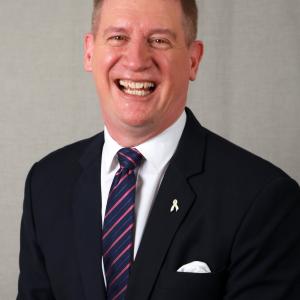
Stephen Page
Director & Accredited Family Law Specialist, Page Provan Brisbane, Qld
Evelyn Young
Principal, Lighthouse Family Lawyers Melbourne, Vic
Benjamin Freeman
Special Counsel, Kennedy Partners Melbourne, Vic.Enquiries/Assistance
If you need assistance or have an enquiry, please do not hesitate to contact our Customer Service Team on (03) 8601 7700 or email: [email protected]