

AML Reforms are Coming: Is Your Accounting Practice Ready? - A Four-Part Compliance Roadmap
About the webinar series
The long-anticipated Tranche 2 AML/CTF reforms are no longer a distant prospect - they’re happening. From July 2026, thousands of accountants across Australia will be legally required to implement anti-money laundering systems, vet clients, and report suspicious transactions under AUSTRAC’s watchful eye.
If your firm offers trust or company services, helps manage client funds, or structures businesses, you’re likely in the firing line. This four-part webinar series delivers everything you need to know - what’s changing, how to assess your exposure, and what to do now to prepare. With practical guidance on risk assessments, compliance programs, ethical grey zones, and audit readiness, this is essential training for accounting professionals navigating the biggest regulatory shift in over a decade.
Training for as many staff as you want - no additional cost!
A single purchase entitles your company to access the on demand webinars online as you require them for as many training sessions and for as many staff as you want.
Our webinar series do not expire after a certain period of time. You will have ongoing access to the programs for staff training from the time of purchase.
What you get
This on demand webinar series includes the following components:
- Online access to the on-demand webinar programs. Programs average 1 hour each in length.
- The programs were recorded in October 2025 and are now available for immediate use.
- Online access to the technical support papers and/or powerpoint presentations accompanying each program.
CPD Information:
- Accountants can claim 4 CPD hours
- IPA members - these programs can count towards your requirement for "Management & Professional Skills" - 4 hours
The Programs
Program 1: Time’s Up - What Tranche 2 Means for Accountants
Tranche 2 AML/CTF reforms are set to transform how accounting firms operate. From July 2026, many common accounting services—like setting up companies and trusts, managing client funds, and providing nominee services—will become designated services under the AML/CTF Act. Firms delivering these services will be subject to mandatory obligations including client due diligence, risk assessment, and suspicious matter reporting. This session lays out the reform landscape, why it’s happening, and how it affects accounting professionals in practice. It covers:
- The drivers behind Tranche 2: why the accounting profession is being brought into scope, and what’s changing
- Overview of new obligations under the AML/CTF Act
- What designated services are, and which common accounting services are likely to trigger AML obligations, including:
- Establishing trusts, companies or SMSFs
- Acting as a nominee or registered office
- Managing or receiving client money
- Structuring business acquisitions and disposals
- The transition timeline and AUSTRAC’s expectations of accounting firms in the lead up to July 2026
- How to conduct a risk assessment: clients, jurisdictions, transaction types and delivery methods
- AUSTRAC’s risk-based approach and what low, medium, and high risk look like in accounting practice
- Examples of how accounting services can be exploited for money laundering
Program 2: Ethics Under Pressure - Navigating Moral Dilemmas in AML Compliance
AML compliance isn’t just about ticking boxes—it’s about judgment, integrity, and managing difficult ethical terrain. As new obligations tighten, accountants will face tough ethical decisions: should I keep this client? What if raising a concern damages the relationship? How do I balance my duties to clients with my legal obligations? This session examines the ethical dimensions of AML compliance, with a focus on real world tension points and how to manage them responsibility. It covers:
- Balancing AML obligations with duties of client confidentiality and loyalty
- The risk of “tipping off” and managing client communication
- How the APES 110 Code of Ethics intersects with AML obligations
- Ethical decision making when clients push for questionable trust or company structures
- When and how to disengage from high-risk clients without breaching your professional duties
- Promoting a culture of compliance and ethical leadership
- Real-world case studies of misconduct and ethical lapses
Session 3: Blueprint for Compliance: Building Your AML Program from the Ground Up
A compliant AML/CTF program is not one-size-fits-all. It must reflect your firm’s risk profile, service offerings, and internal structure. Whether you’re an SMSF specialist, trust adviser, or a general business accountant who only occasionally provides ‘designated services’, you will still need a tailored AML / CTF program. This practical session provides a roadmap for building an effective, tailored program that stands up to scrutiny. It covers:
- The required components of an AML/CTF program under the legislation
- Structuring your firm’s internal controls: policies, procedures and escalation protocols
- Assigning AML responsibilities: who should lead, who should oversee, and how to document it
- Integrating the risk assessment into your program design
- How to monitor the effectiveness of your AML/CTF program over time
- When and how to engage technology or external AML expertise
- Embedding a compliance culture: practical strategies for leadership and accountability
Session 4: Know Your Client - CDD, Record Keeping and Audit Readiness
Robust customer due diligence (CDD) is central to AML compliance—but it can also challenge client relationships and firm workflows. This final session shows you how to conduct effective CDD, meet record keeping standards, and prepare for AUSTRAC oversight. It covers:
- The three tiers of CDD: simplified, standard, and enhanced –what each involves and how to match them to different clients
- Applying CDD when:
- Setting up entities for private clients
- assisting clients investing through family trusts or SMSFs
- verifying control structures involving offshore or complex ownership
- How to identify and verify beneficial owners in layered structures
- Managing politically exposed persons (PEPs) or clients in high risk jurisdictions
- Record keeping requirements under the new regime
- Preparing for audits, independent reviews, and regulator inquiries: what AUSTRAC will expect to see
- Managing ‘tipping off’ risks and documentation for audit-readiness
Presented By

Neil Jeans
Partner, Grant Thornton Melbourne, Vic.
Ian Lockhart
Partner, Minter Ellison Brisbane, QLD
Neil Jeans
Partner, Grant Thornton Melbourne, Vic.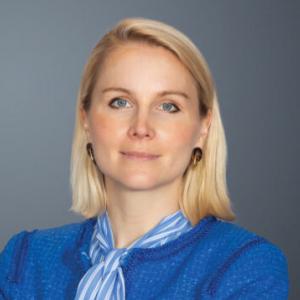
Caroline Marshall
Partner, Corrs Chambers Sydney, NSWEnquiries/Assistance
If you need assistance or have an enquiry, please do not hesitate to contact our Customer Service Team on (03) 8601 7700 or email: [email protected]